
Author: Site Editor Publish Time: 2026-03-14 Origin: Site


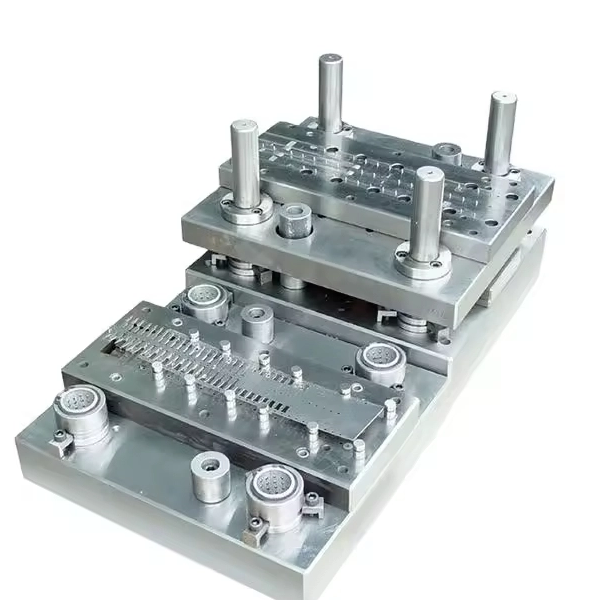
Injection molding is one of the most efficient manufacturing methods for producing large quantities of plastic parts. The process begins with a precisely engineered metal mold that shapes molten plastic into the desired form. Because molds operate under high pressure, temperature changes, and continuous cycles, selecting the right mold components material is essential for ensuring durability, accuracy, and long-term performance.
Among the many materials available for injection mold manufacturing, steel remains the most reliable option. High-strength steel materials are widely used because they offer excellent durability, wear resistance, and repairability compared with other materials such as aluminum or beryllium copper. For applications that require long mold life and consistent output—especially mass production molds—choosing the appropriate steel grade is one of the most important decisions in mold design.
Steel is considered the industry standard for injection mold construction because of its strength and versatility. As a mold components material, steel provides superior mechanical properties that allow molds to withstand repeated injection cycles without significant wear or deformation.
One of the biggest advantages of steel molds is their durability. Steel molds can maintain dimensional accuracy over hundreds of thousands or even millions of cycles, which is critical in high-volume manufacturing environments. In addition, steel molds can often be repaired or refurbished, extending their service life and reducing overall production costs.
Another benefit is that steel can be alloyed to achieve specific performance characteristics. By adjusting the composition and heat treatment process, manufacturers can create steel grades with different levels of hardness, toughness, and wear resistance. This flexibility allows engineers to select the most suitable mold components material depending on the plastic resin, production volume, and operating conditions.
However, there is always a balance between hardness and toughness. Materials with higher hardness usually provide better wear resistance but may be more brittle. On the other hand, steels with higher toughness resist mechanical fatigue better but may have slightly lower abrasion resistance. Understanding this balance is essential when designing molds for demanding applications.
One of the most widely used materials for high-performance molds is H13 mold steel. This hot-work tool steel is known for its excellent toughness, thermal stability, and resistance to mechanical fatigue.
H13 mold steel is commonly heat treated to a hardness range of approximately Rockwell 50–52 HRC. At this hardness level, it offers a strong combination of durability and toughness, making it ideal for mold components that experience repeated mechanical stress.
Several key properties make H13 mold steel an outstanding mold components material:
Excellent toughness, reducing the risk of cracking during repeated molding cycles
Good thermal resistance, allowing the mold to handle temperature fluctuations during injection molding
High fatigue resistance, which helps maintain structural integrity during long production runs
Good dimensional stability, ensuring precise and consistent molded parts
Because of these properties, H13 steel is often used in mold cavities, cores, slides, and other critical mold components where durability is essential.
In high-volume manufacturing environments, molds are subjected to continuous operation. Mass production molds must deliver consistent performance while maintaining tight tolerances over extended periods. This is where the durability of H13 mold steel becomes especially valuable.
H13 steel is frequently used for mold cavities larger than approximately 8 × 8 × 8 inches where greater toughness and hardness are required compared with other materials such as P20 steel. Its ability to withstand repeated heating and cooling cycles also makes it suitable for molds producing engineering plastics.
Typical applications for mass production molds made with H13 steel include:
Automotive plastic components
Consumer electronics housings
Industrial plastic parts
Electrical connectors and technical components
In these industries, molds often run for hundreds of thousands or millions of cycles. A reliable mold components material like H13 steel helps maintain production efficiency by reducing wear, minimizing maintenance, and extending mold life.
Although H13 mold steel is a highly reliable option, mold designers must also consider other factors when selecting a mold components material. These factors include the type of plastic resin, the presence of glass fibers or mineral fillers, and the environmental conditions during molding.
For example, some plastics can release corrosive gases during processing, which may require corrosion-resistant mold materials or surface treatments. In high-humidity environments, protective coatings such as nickel plating may be used to prevent oxidation and extend mold life.
Surface treatments can also improve the performance of mold components. Nickel plating, for instance, can increase hardness, improve wear resistance, and enhance corrosion protection. This type of treatment is often used for molds that will be stored for long periods or exposed to harsh molding conditions.
By combining the right mold components material with appropriate coatings and heat treatments, manufacturers can significantly improve mold durability and production efficiency.
Selecting the correct mold components material is a crucial step in ensuring the success of an injection molding project. Steel remains the preferred material for most molds because of its strength, durability, and adaptability to different manufacturing requirements.
Among various steel options, H13 mold steel stands out as a reliable choice for demanding applications, particularly for mass production molds that require long service life and consistent performance. Its excellent toughness, fatigue resistance, and thermal stability make it well suited for molds operating under high stress and continuous production cycles.
By carefully selecting high-quality materials and combining them with advanced machining and heat treatment processes, manufacturers can produce molds that deliver precision, reliability, and long-term productivity in modern injection molding operations.


