
Author: Site Editor Publish Time: 2026-07-23 Origin: Site


Robots look advanced, but their performance often depends on simple parts. Frames, covers, brackets, and housings must be light, strong, and precise. This is where sheet metal fabrication becomes important.
In this article, we will explore how aluminum sheet metal fabrication supports robotics applications. You will learn how it improves weight control, assembly, durability, and production efficiency.
● Sheet metal fabrication helps robotics teams create lightweight, accurate, and repeatable metal parts.
● Aluminum is widely used because it offers a strong balance of low weight, corrosion resistance, and formability.
● Common robotic parts include frames, chassis, sensor brackets, battery housings, covers, guards, and controller enclosures.
● Good design matters. Bend radius, hole placement, tolerance, and assembly access can affect final robot performance.
● Aluminum sheet metal fabrication supports prototypes, small batches, and repeat production.
● Surface finishing helps improve corrosion resistance, wear resistance, appearance, and part safety.
● A reliable manufacturing partner should provide design support, precision cutting, forming, joining, finishing, and quality inspection.
Robotics projects often face one major challenge: every part must perform well without adding unnecessary weight. Heavy structures reduce speed, increase power demand, and place more stress on motors, bearings, and joints.
Aluminum sheet metal fabrication helps solve this problem. It allows engineers to turn flat aluminum sheets into formed parts, panels, brackets, and assemblies. These parts can support robot motion, protect internal systems, and keep the structure easy to assemble.
Aluminum also fits many robotic environments. It is light, easy to form, and suitable for protective finishes such as anodizing or powder coating. For robots used in automation, logistics, inspection, service, and testing equipment, this balance is valuable.
Tip:Choose aluminum when the robot needs lower weight, easier handling, and good corrosion resistance without complex machining for every part.
Aluminum sheet metal parts appear in many areas of robotic systems. They may not always be visible, but they often support the core structure.
Common applications include robot frames, base plates, side panels, sensor brackets, camera mounts, controller boxes, guards, access covers, and battery housings. In mobile robots, aluminum sheet metal can form outer shells, internal mounting plates, and cable management structures.
For industrial robots, sheet metal fabrication is useful for covers, safety guards, electrical enclosures, mounting supports, and tooling plates. These parts must fit accurately, resist vibration, and allow fast maintenance.
Robotics Part | Main Purpose | Key Fabrication Need |
Frame panels | Support robot structure | Accurate cutting and bending |
Sensor brackets | Hold cameras or sensors | Tight hole placement |
Battery housing | Protect power units | Strength and ventilation |
Controller enclosure | Protect electronics | Clean edges and finishing |
Guards and covers | Improve safety | Smooth surfaces and easy access |
Good fabrication begins before production. A design may look simple on screen, but poor details can cause bending errors, weak corners, or difficult assembly.
Thickness selection is a key decision. Thin aluminum reduces weight, but it may flex under load. Thicker material improves stiffness, but it can increase weight and bending force. Engineers should match thickness to load, vibration, and mounting needs.
Bend design is also important. Proper bend radius, flange length, and hole distance help avoid cracking or distortion. Holes placed too close to a bend may deform during forming. Slots, tabs, and relief cuts can make assembly easier.
Tolerance control matters in robotics because sensors, motors, rails, and covers must align correctly. A small error can affect movement, cable routing, or sensor accuracy.
Note:For robotic parts, always review the full assembly, not only the single part drawing.
Aluminum works well in robotics because it supports light structures and practical fabrication. It can also accept surface treatments, which helps improve appearance and durability.
The right aluminum grade depends on the robot’s use. Some parts need better formability. Others need better strength or corrosion resistance. Heat sinks, drone frames, and electronic supports may also benefit from aluminum’s thermal and electrical properties.
Aluminum is not always the only choice. Stainless steel may be better for harsh or high-corrosion environments. Carbon steel may be better when cost and rigidity matter more than weight. Still, aluminum is often a strong option when mobility, energy efficiency, and easy handling are priorities.
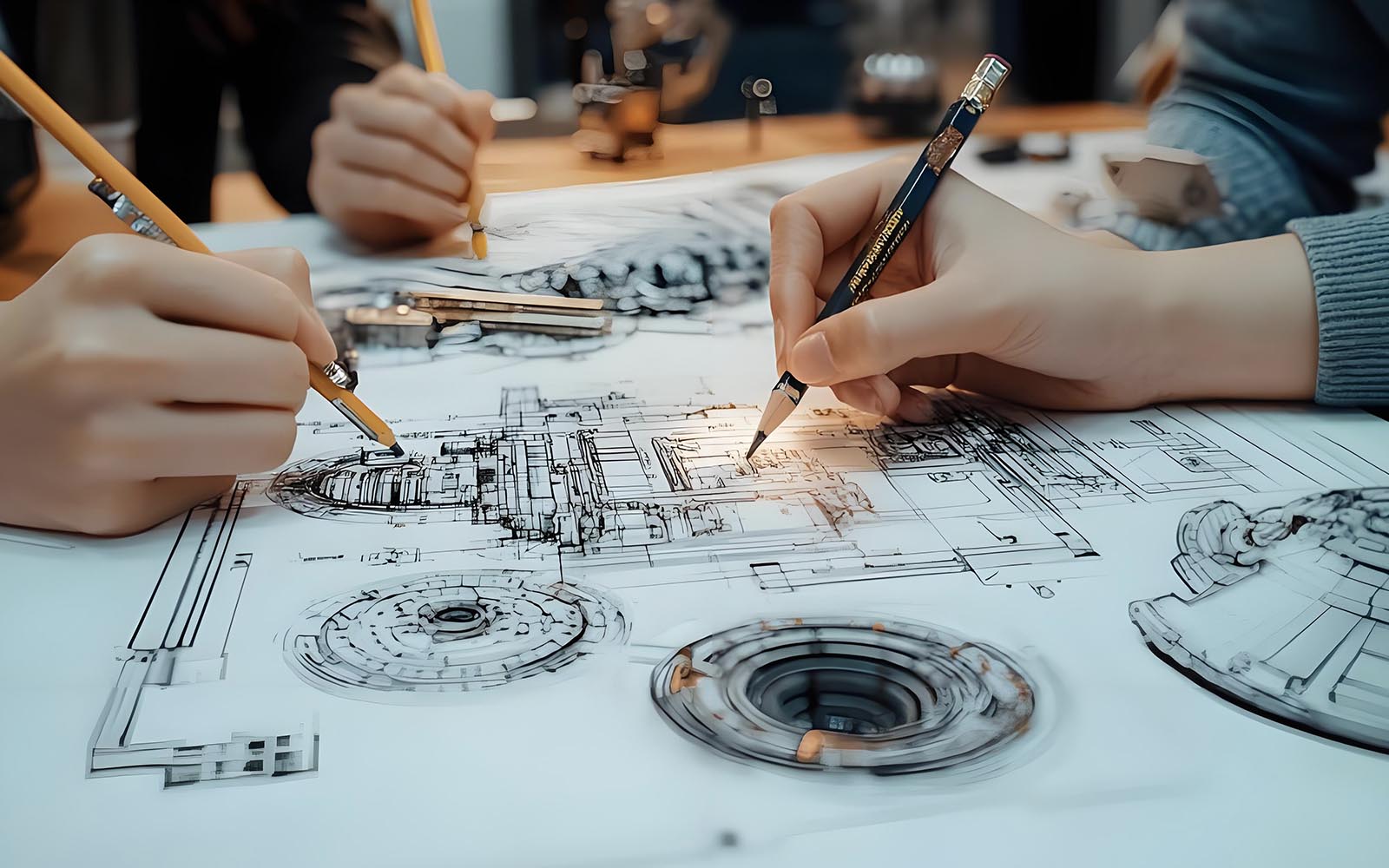
Robotic aluminum parts usually require several fabrication steps. Each step affects accuracy, fit, and final quality.
Laser cutting is often used for accurate profiles, holes, slots, and complex shapes. It helps produce clean edges and repeatable parts. Water cutting can also be useful when heat impact must be avoided.
Bending turns flat sheets into three-dimensional parts. This process is common for brackets, frames, covers, and enclosures. For complex parts, CNC press brake control helps keep angles and dimensions stable.
Joining may include welding, riveting, bolts, inserts, or press-fit fasteners. The choice depends on strength, appearance, disassembly needs, and cost. Surface finishing then improves edges, corrosion resistance, wear resistance, and visual quality.
Tip:For robotics projects, send both 3D files and 2D drawings when possible. It helps the manufacturer check bends, holes, tolerances, and assembly needs faster.
Robotics development often moves through testing, redesign, and small production runs. Sheet metal fabrication fits this process well because it supports fast iteration.
A prototype frame or enclosure can be made, tested, adjusted, and produced again without waiting for expensive tooling. This helps engineers test sensor layout, motor access, cable routing, cooling space, and service access early.
Once the design is stable, the same fabrication route can support small or medium batches. This is useful for robotics startups, automation equipment builders, and custom machine manufacturers.
Aluminum sheet metal fabrication also helps with modular design. Teams can replace one bracket, cover, or panel without redesigning the full robot. This makes upgrades and repairs easier.
Robotic parts need reliable quality because they often interact with moving systems. Poor edge quality, wrong hole position, or weak bending can affect safety and function.
Important checks include dimensions, flatness, hole position, bend angle, surface finish, and assembly fit. For protective covers, smooth edges help reduce handling risk. For brackets, accuracy helps maintain sensor position. For enclosures, clean finishing helps protect electronics.
Quality control should happen across the process, not only at the end. Raw material checks, first-article inspection, in-process checks, and final inspection all reduce risk.
Note:If a part carries load or faces vibration, add clear inspection points to the drawing.
A good supplier should understand more than cutting and bending. Robotics parts often need design support, tolerance review, finishing advice, and assembly awareness.
Look for a partner that can support DFM review, precise cutting, CNC bending, joining, deburring, surface treatment, and inspection. This helps reduce redesign work and improves production stability.
It is also useful to choose a manufacturer that can support prototypes, small batches, and repeat orders. Robotics projects may start with one test part, then move into pilot production, then repeat manufacturing.
Clear communication also matters. Drawings, materials, tolerances, surface requirements, and assembly goals should be reviewed before production starts. This reduces mistakes and keeps delivery more predictable.
Aluminum sheet metal fabrication helps robotic systems stay light, precise, and practical to build. It supports frames, brackets, covers, housings, and assemblies that need accuracy and repeatability. Dongguan Hongxia Precision Machinery Co., Ltd. provides custom sheet metal fabrication, design support, cutting, bending, finishing, and inspection services. Its solutions help robotics teams move from prototype testing to stable production with better part quality and project control.
A: Sheet metal fabrication makes robot frames, covers, brackets, and housings from cut and formed metal sheets.
A: Aluminum is light, corrosion resistant, and easy to form for many robotic structures.
A: Yes. It supports fast testing, design changes, and small-batch production.
A: Material, thickness, tolerance, finish, quantity, bends, and assembly steps affect cost.
A: Aluminum is lighter. Steel is often stronger and cheaper for heavy-duty parts.
A: Avoid tight bends, poor hole placement, unclear tolerances, and missing finish requirements.


