
Author: Site Editor Publish Time: 2025-12-31 Origin: Site


In the realm of precision manufacturing, CNC lead time stands as a pivotal metric that directly impacts production efficiency, cost control, and customer satisfaction. Defined as the total duration from order placement to the shipment of finished components, CNC lead time is especially critical when dealing with complex parts—where intricate geometries, tight tolerances, and specialized processes can easily extend turnaround schedules. This article delves into the core factors influencing CNC lead time, calculation methodologies, and actionable strategies to achieve fast CNC lead time without compromising quality.
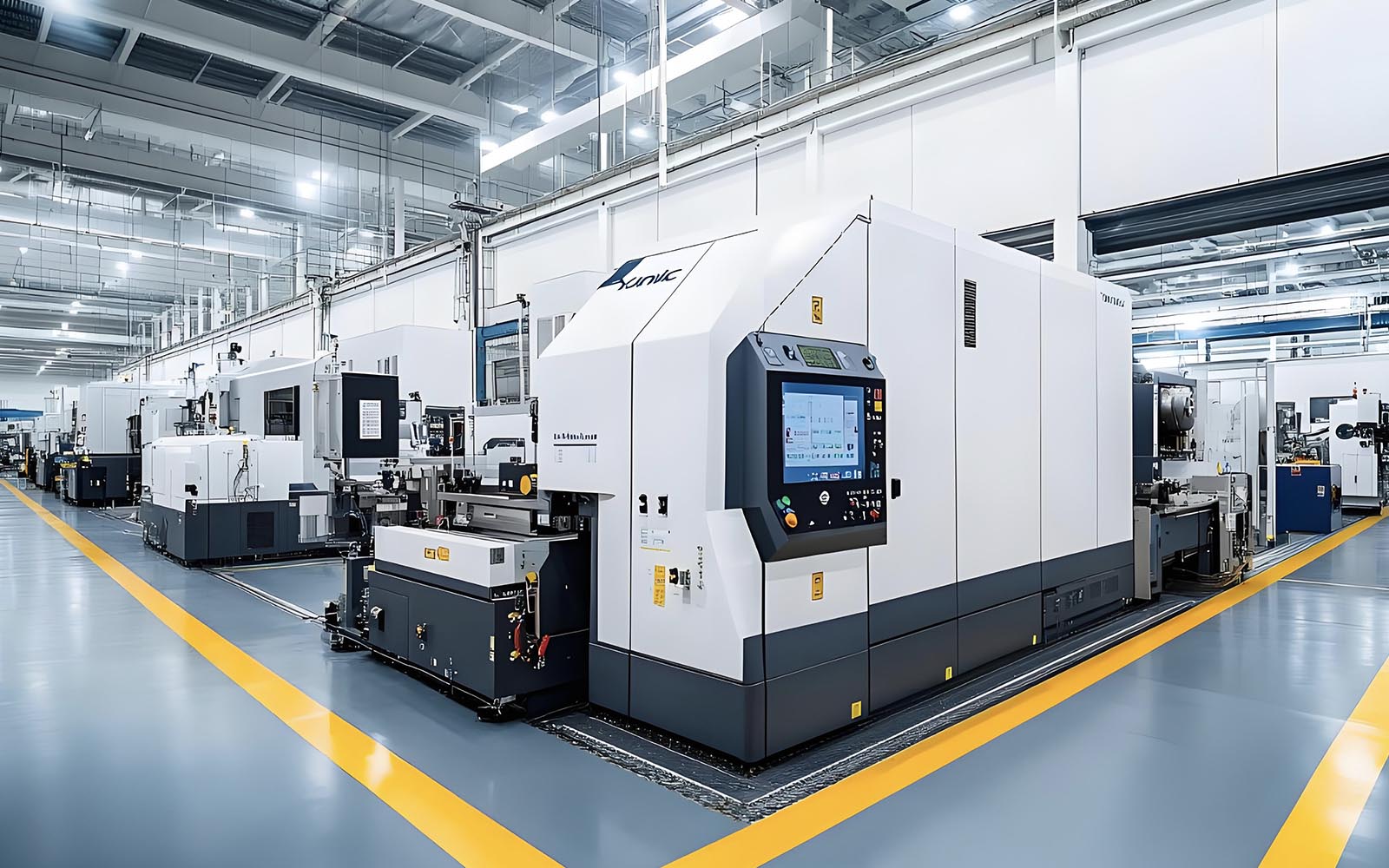
Calculating CNC machining time and overall lead time is far more than a routine task; it is a strategic cornerstone of modern manufacturing operations. For complex parts, in particular, accurate time estimation can mean the difference between meeting customer deadlines and incurring costly delays. There are six key reasons why this calculation is indispensable:
First, cost estimation becomes more precise. By predicting the duration of each machining operation, manufacturers can account for direct costs (materials, labor) and indirect costs (energy consumption, tool wear), avoiding budget overruns. Second, production planning is optimized. Knowing exact machining times helps prevent bottlenecks, ensuring that workflows for complex parts— which often require multiple setups— run smoothly. Third, resource allocation is streamlined. Accurate time data allows managers to assign CNC machines, operators, and maintenance personnel efficiently, eliminating idle time.
Fourth, quality control is enhanced. Sufficient time allocation for inspection processes reduces the risk of defects in complex parts, where a single error can render an entire component unusable. Fifth, customer satisfaction improves. Reliable delivery time predictions build trust, a critical competitive advantage in industries where complex parts are often time-sensitive. Finally, supply chain efficiency is boosted. In just-in-time manufacturing environments, precise lead time calculations minimize storage costs and accelerate delivery cycles.
The duration of a CNC machining project varies widely, and this variability is amplified when producing complex parts. Several interconnected factors determine the final lead time, and understanding them is essential for optimization:
Part Complexity
Complex parts with intricate geometries, internal cavities, or multi-axis machining requirements demand more tool changes, longer setup times, and more precise programming. Unlike simple components that can be machined in a single pass, complex parts often require multiple operations, each adding to the overall lead time. Specialized tooling for unique features further extends the timeline if such tools are not readily available.
Material Choice
The material of the workpiece is a major determinant of machining speed. Soft materials like aluminum and brass allow for higher feed rates and faster cutting speeds, reducing machining time. In contrast, hard, abrasive materials such as stainless steel and titanium require slower feed rates to prevent tool wear and heat buildup, significantly prolonging lead time for complex parts made from these materials.
Equipment Capacity and Type
The availability and capability of CNC machines directly impact lead time. A facility equipped with 5-axis CNC machines can complete complex parts in fewer setups compared to 3-axis machines, which may require multiple repositioning steps. However, if high-capacity machines are in high demand or undergoing maintenance, projects may be delayed, extending lead time.
Order Quantity
For complex parts, larger order quantities can leverage economies of scale—once the initial setup is complete, batch processing reduces per-unit machining time. However, very large orders may also strain machine capacity, leading to longer overall lead times if scheduling is not optimized.
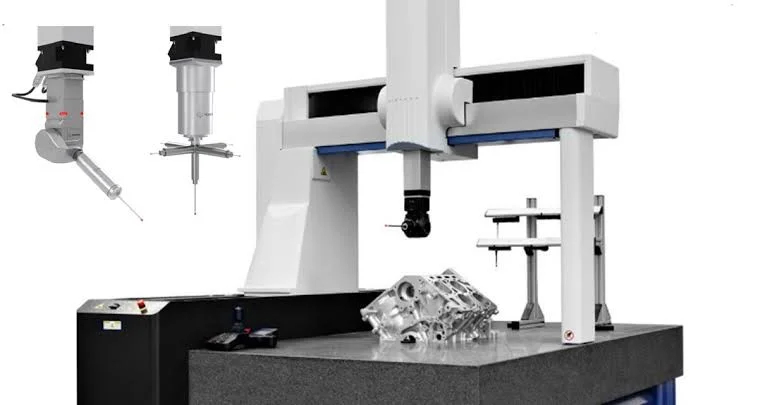
Accurate calculation of CNC machining time is the foundation of reducing lead time, especially for complex parts. The process involves accounting for multiple variables, from cutting length to tool change time, using a structured formula and operation-specific methods.
The total machining time is the sum of four core components:
$$\text{Machining Time (minutes)} = (\frac{\text{Total Length of Cut}}{\text{Feed Rate}}) + \text{Tool Change Time} + \text{Setup Time} + \text{Program Time}$$
For example, consider a complex part with a total cut length of 300 inches, a feed rate of 50 inches per minute, 5 minutes of tool change time, 10 minutes of setup time, and 15 minutes of program time. The total machining time would be:
$$(300/50) + 5 + 10 + 15 = 36 \text{ minutes}$$
Different CNC operations—milling, turning, drilling—require tailored cycle time calculations, which is particularly important for complex parts that often combine multiple operations.
CNC Milling: Cycle time depends on feed rate per tooth, spindle speed, and number of passes. The formula is:
$$\text{Cycle Time} = (\frac{\text{Length of Cut}}{\text{Feed Rate}}) \times \text{Number of Passes}$$
For a 10-inch cut length, 20 inches per minute feed rate, and 3 passes, the cycle time is 1.5 minutes.
CNC Turning: Cycle time calculation involves total tool travel length, spindle RPM, and feed per revolution. The total length accounts for job length, tool over travel, and approach length, while RPM is determined by cutting speed and workpiece diameter.
CNC Drilling: For complex parts with multiple holes, cycle time is the product of time per hole and total number of holes. Time per hole is calculated based on drilling depth, feed rate, and spindle speed.
For manufacturers aiming to shorten lead times for complex parts, a combination of technological upgrades, process optimization, and collaborative practices yields the best results:
Invest in High-Speed CNC Machines
High-speed CNC machines operate at elevated spindle speeds and feed rates while maintaining precision, drastically reducing cycle times for complex parts. Their advanced motion control minimizes non-cutting time (e.g., tool movements), and reduced vibration eliminates the need for secondary finishing processes.
Adopt Digital Quality Control Systems
Real-time monitoring and automated inspection tools streamline quality checks for complex parts. Digital systems detect deviations from specifications early, reducing rework and delays. Data analysis from these systems also helps optimize machining parameters for future projects.
Optimize Supplier Communication and RFQ Packages
Clear, detailed manufacturing drawings and RFQ packages reduce miscommunication with material suppliers and subcontractors. Specifying dimensions, tolerances, materials, and delivery timelines upfront ensures that materials for complex parts are delivered on time, avoiding production halts.
Leverage Online CNC Machining Services
Online CNC platforms offer instant quoting, automated tool path generation, and access to a global network of suppliers. For complex parts, these services can match projects with available machines quickly, minimizing downtime and reducing lead times to as little as 5 days in some cases.
In the competitive landscape of precision manufacturing, fast CNC lead time for complex parts is a key differentiator. By understanding the factors that influence lead time, mastering accurate calculation methods, and implementing targeted optimization strategies—from investing in high-speed equipment to adopting digital quality systems—manufacturers can streamline operations, reduce costs, and enhance customer satisfaction. As the demand for complex, high-precision components continues to grow, the ability to control and minimize CNC lead time will remain a critical driver of success in the industry.


